If you’re wondering how to sell educational courses online, you’re not alone. While demand for online learning keeps growing, many instructors struggle to turn their knowledge into consistent income. Learning how to sell educational courses online requires more than uploading videos—it takes smart strategy, clear positioning, effective pricing, and a secure platform that supports your growth. In this guide, you’ll discover the exact steps to do it successfully and sustainably.
Step-by-Step Guide to how to sell educational courses online:

If you’re serious about learning how to sell educational courses online, you need a structured system—not random uploads. Here’s a practical, actionable roadmap designed for instructors who already have students or an audience.
Step 1: Define the Exact Transformation
Before creating anything, define the outcome.
Ask yourself:
- What will students be able to do after finishing this course?
- What measurable result will they achieve?
- How is this better than your regular live classes?
Clear transformation = easier sales.
Students don’t buy lessons, They buy results.
Step 2: Package Your Existing Knowledge Into a Structured Course
If you already teach, you don’t need to reinvent content—you need to organize it.
Turn your expertise into:
- Clear modules
- Short, focused lessons
- Practical exercises
- Quizzes or assessments
- Downloadable resources
Structured content increases completion rates and improves student satisfaction.
This is a critical part of mastering how to sell educational courses online successfully.
Step 3: Validate Before Full Launch
Even if you have students, validate the specific course offer:
- Ask your current students what they struggle with most
- Create a waiting list
- Offer early-bird pricing
- Run a pilot version
Validation reduces risk and increases confidence during launch.
Step 4: Choose a Secure and Professional Platform
One of the biggest mistakes instructors make when learning how to sell educational courses online is using scattered tools.
You need a platform that allows you to:
- Host recorded lessons
- Conduct live sessions
- Create exams and quizzes
- Track student performance
- Protect your videos from unauthorized sharing
- Manage payments securely
A professional platform saves time, protects your revenue, and improves your credibility.
Step 5: Set Strategic Pricing
Avoid emotional pricing, Instead:
- Position based on transformation, not hours
- Consider tiered pricing (Basic / Advanced / Premium)
- Offer payment plans if needed
- Use limited-time launch offers
High value positioning increases conversions more than low pricing.
Step 6: Build a Simple Launch Strategy
Don’t just “post and hope.”Use:
- Countdown content
- Educational teasers
- Testimonials from students
- Clear call-to-action
- Limited seats or bonuses
A structured launch creates urgency and momentum.
How to Price Your Online Educational Course?

Consider These Factors:
- Course Depth and Transformation
The more advanced and result-driven your course is, the higher it can be priced. A course that delivers a clear transformation—like helping students pass an exam, master a skill, or increase income—has stronger value than a general informational course. - Target Audience Income Level
Your pricing should match your audience’s purchasing power. If you’re teaching university students, pricing will differ from professionals or business owners. Understanding who you serve is essential when learning how to sell educational courses online effectively. - Market Positioning
Are you positioning yourself as a premium expert or an affordable option? Your brand, experience, and presentation influence how much students are willing to pay. Strong positioning justifies higher pricing. - Competitor Pricing
Research similar courses in your niche. You don’t need to copy competitors, but you should understand the market range. This helps you avoid pricing too low or unrealistically high
Common Pricing Models:
1- One-Time Payment:
Students pay once and get full access. This model is simple and works well for short or mid-sized courses.
2- Payment Plans:
Allow students to split the cost into installments. This increases accessibility and can boost conversions for higher-priced courses.
3- Tiered Pricing (Basic / Pro / Premium):
Offer multiple versions of your course with different benefits. For example:
- Basic: Recorded lessons only
- Pro: Lessons + assignments
- Premium: Lessons + live support
This strategy increases perceived value and allows students to choose based on their needs and budget.
Avoid underpricing. Low prices can reduce perceived value and attract less committed students. Instead, focus on clearly communicating results and transformation.
If you’re serious about mastering how to sell educational courses online, remember: value perception drives sales more than price alone.
Marketing Strategies to Sell Your Online Course:

Even the best course won’t sell without marketing. If people don’t know about your course, they won’t buy it — no matter how good it is.
1. Build Authority First:
Before asking people to buy, show them your value.You can do this by sharing:
- Simple educational tips
- Real examples from your teaching
- Student success stories
- Useful insights from your field
When people see that you understand their problems and can help them, they trust you more. And trust makes buying easier.
2. Use Email Marketing:
Email is still one of the strongest ways to sell online courses.Here’s how to use it simply:
- Offer something free (like a PDF, checklist, or mini lesson)
- Collect emails from interested students
- Send helpful emails regularly
- When your course opens, send a clear offer with a deadline
This keeps you connected with students instead of depending only on social media.
3. Leverage Short-Form Content:
Short videos and posts help you reach more people.You can use:
- Reels
- YouTube Shorts
- LinkedIn posts
- Educational threads
Teach one small idea in each piece of content. At the end, invite them to learn more inside your full course.
Small value builds big interest.
If you want long-term success in how to sell educational courses online, remember: marketing is not about tricks — it’s about showing your value consistently and clearly.
How to Avoid Failing in Selling Educational Courses Online:
Many instructors fail not because of bad content, but because of these mistakes:
- Creating without validating demand
- Choosing the wrong platform
- Ignoring audience building
- Weak positioning
- No clear transformation promise
To avoid failure:
- Focus on one niche
- Improve messaging clarity
- Collect testimonials early
- Analyze data and adjust
Best Platform to Sell Educational Courses Online:
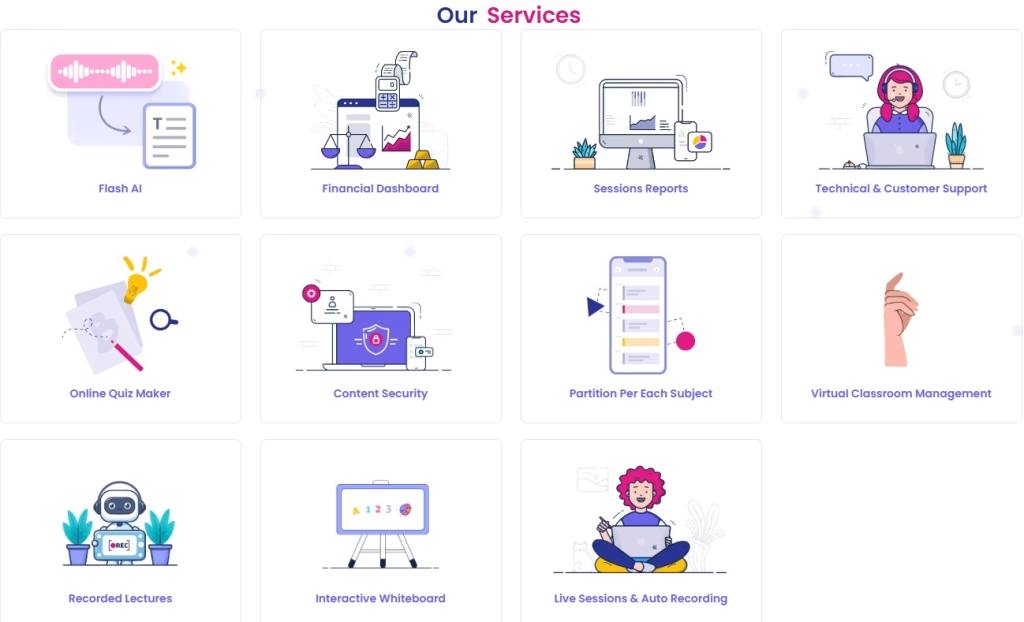
Choosing the right platform is critical when deciding how to sell educational courses online.
A professional platform should offer:
- Live and recorded lecture support
- Built-in exam and quiz tools
- Secure payment processing
- Content protection features
- Instructor analytics dashboard
- Technical & customer support
Platforms like StorkyApp are designed specifically for instructors who want to:
- Conduct live sessions
- Record lectures directly
- Create exams easily
- Protect their educational content
Instead of juggling multiple tools, using one integrated platform simplifies operations and improves student experience.
The right platform doesn’t just host your course — it supports your growth.
Simplify your online teaching. Secure your content. Grow your income with storkyapp
faq:
1- Is content protection really important?
Yes. Without protection, your course can be copied and shared illegally, affecting your long-term revenue.
2- How to sell PDF courses online?
To sell PDF courses online professionally, upload your materials to a secure platform like StorkyApp, where you can protect your content, manage student access, and receive payments automatically—instead of sending files manually.
3- Do I need an audience before I sell educational courses online?
Not necessarily. While having an audience helps, you can start by validating your idea, building a small email list, and using social media content to attract the right students gradually.